
Mennoniteman
Well-Known Member
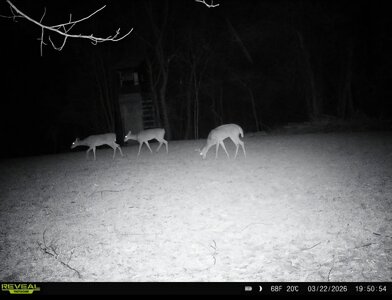
Rye is still feeding PA deer. That buck can't grow bigger antlers next year if he keeps his old ones.


Pennsylvania used to be a state that was anti-fire, and it was difficult to get a permit to burn, but now the PGC is getting onto the prescribed fire bandwagon. Here is a video clip of the Pennsylvania Game Commission biologists describing the benefits of prescribed fire
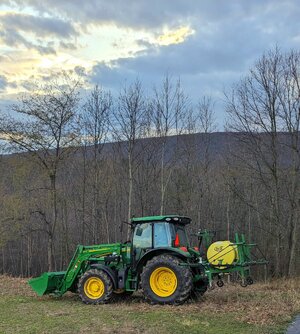
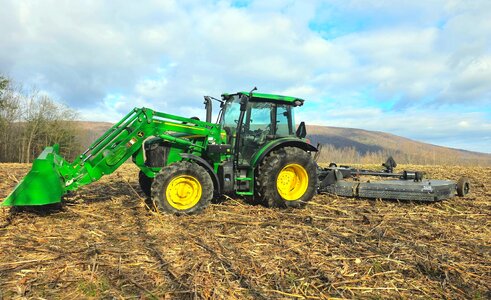

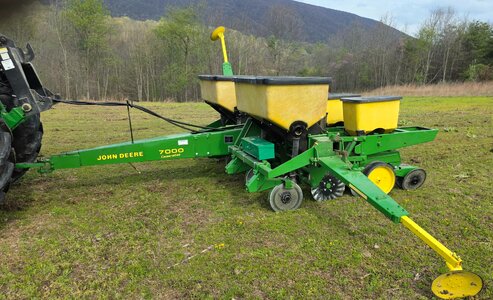
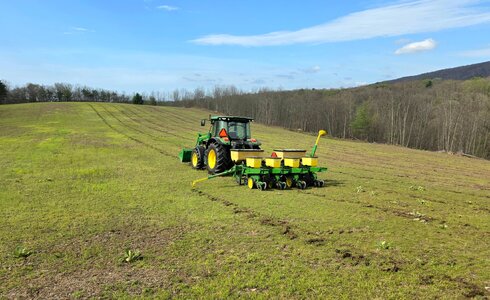
My objective with growing corn is threefold; provide natural midwinter deer food when there's snow on the ground, get around the Game Commissions CWD area deer feeding ban, and to save money over buying deer corn.How much success do you have planting deer corn and what is your objective. Maturity or…

I think this is a hugely better approach than using feeders with deer corn for winter support! The corn provides both food and cover for deer and other wildlife. It is not concentrated to help reduce disease transmission. It can be expensive, especially with the high N requirements of corn. Rotating to corn after a clover crops is a great idea to use the banked nitrogen.My objective with growing corn is threefold; provide natural midwinter deer food when there's snow on the ground, get around the Game Commissions CWD area deer feeding ban, and to save money over buying deer corn.
Most years this endeavor is a big success, although I've had some crop failures due to drought and mismanagement. And the saving money part would only work if I'd use cheaper equipment.
Are you cutting any of your corn during the season? Mine stays standing and is picked a little at a time during the season (farmer sells what is picked). But, I haven't been too impressed with the attraction of standing corn the last couple of years. It could be the location it's planted in though or something else.My objective with growing corn is threefold; provide natural midwinter deer food when there's snow on the ground, get around the Game Commissions CWD area deer feeding ban, and to save money over buying deer corn.
Most years this endeavor is a big success, although I've had some crop failures due to drought and mismanagement. And the saving money part would only work if I'd use cheaper equipment.
You are right, while not neccessarily the absolute best in all areas, when averaging the total benefits for wildlife food plots, corn is king, although strong arguments could be made for such longterm standby's such as soybeans or clover.I think this is a hugely better approach than using feeders with deer corn for winter support! The corn provides both food and cover for deer and other wildlife. It is not concentrated to help reduce disease transmission. It can be expensive, especially with the high N requirements of corn. Rotating to corn after a clover crops is a great idea to use the banked nitrogen.
I even saw a cool approach for planting direct into clover. There was a sprayer attached to the drill. Each spray head was a narrow spray directly on each planting row. The ended up with a beautiful clover field with small strips of dead clover where the corn was planted. The corn germinated and got above the clover before it filled in. The corn then helped shade the clover in the summer and the clover provided N for the corn. Seemed like a great idea to me for those planting corn.
I usually cut shooting lanes though the standing corn by one method or the other. Cutting early shooting lanes and planting those lanes in clover/ grain/ brassicas etc. is a popular method. During the fall/ winter as the deer clean up the downed corn, the openings through the field are chopped wider. (Check your local regulations about the legality of hunting over chopped corn)Are you cutting any of your corn during the season? Mine stays standing and is picked a little at a time during the season (farmer sells what is picked). But, I haven't been too impressed with the attraction of standing corn the last couple of years. It could be the location it's planted in though or something else.
That's exactly my experience, even the part about them being rough on corn while it's younger and growing. They can do a number on it. I have no idea why they don't come to it as much when it's still up. Makes no sense to me. But, you're absolutely right.You are right, while not neccessarily the absolute best in all areas, when averaging the total benefits for wildlife food plots, corn is king, although strong arguments could be made for such longterm standby's such as soybeans or clover.
I'd like to try that spray idea, it sounds like a real winner. The only obvious downside is that it's not a good idea to bait your deer into the cornfield during the growing season, deer can be very rough on corn.
I usually cut shooting lanes though the standing corn by one method or the other. Cutting early shooting lanes and planting those lanes in clover/ grain/ brassicas etc. is a popular method. During the fall/ winter as the deer clean up the downed corn, the openings through the field are chopped wider. (Check your local regulations about the legality of hunting over chopped corn)
The "why" of it remains a mystery to me, but deer vastly prefer to eat their corn on the ground, and sometimes will actually not eat corn on the stalk. One year I checked my cornfield in mid February and was shocked to discover that half of the 4 acre corn crop was still standing with the ears hanging and no deer activity. I quickly got the brush hog out and chopped it down, and the for next several weeks the cameras showed it looking like a deer and turkey pen, and within three weeks the last kernel was cleaned up. Go figure?


