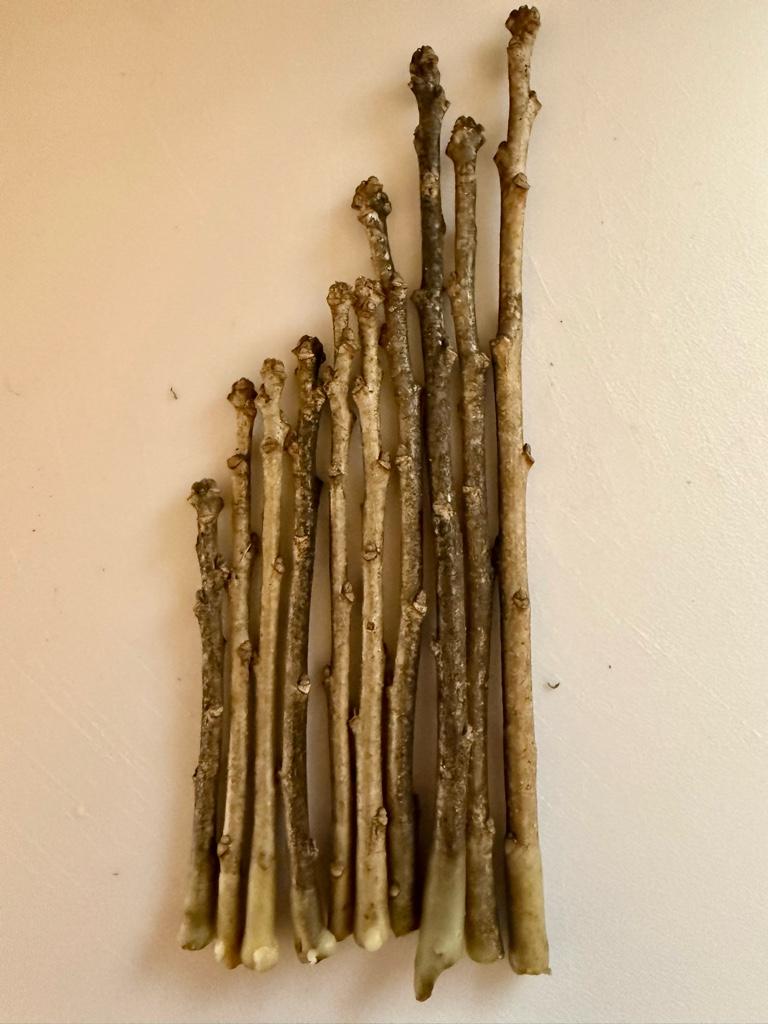
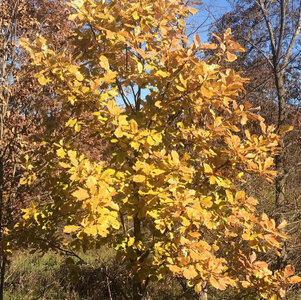
Very cool. Was that a seedling from MDC? What age did you start seeing acorns?
Sent from my iPhone using Tapatalk
It was a seedling I dug up in Peterson's yard back before the MDC was selling them.
He used to work for the DOT and had either dug up some seedlings or planted acorns off the original trees that were located at the rest area before they were taken out for road improvements.
The back story on the tree is pretty neat on how it was originally found to begin with on a chance encounter.
"The population—which is now known as the Concordia Oak—is located approximately one mile west of Concordia, MO near the north rest area off
I-70, at mile marker 57.6. Samples of the one-of-a kind oak tree population have been put on display at the worldrenowned, National Arboretum
in Washington, DC.
The Concordia Oak is among the nation’s rarest trees. It was
discovered by Paul Thompson in 1974 aiding him in earning a
doctorate degree. As a long-time botanist, Thomas was working on a study of chinquapin oaks and was intrigued when he saw these unusual looking oaks. Thompson made his accidental discovery when his vacationing family stopped at the I-70 rest area just west of Concordia,
Missouri. Thomson’s study of the unusual hybrid was a lengthy process comparing samples of the new oak to more than 10,000 oak
tree specimens from the Missouri Botanical Gardens and universities across the nation. The tree’s scientific name is “Quercus X introgressa” and its common Concordia Oak comes from its proximity to Concordia.
The stand of original parent trees numbered just 13 specimens and is only known to occur in Lafayette County. This unlikely 3-way hybrid took many generations to form and has not been reported from anywhere else in the
world.
Highly Desirable Tree
Concordia residents familiar with this extraordinary tree can attest to its pleasing shape, wonderful shade and distinctive leaf formation. It is also known as a quick growing tree with a remarkable reputation for ruggedness. In late January of 2002 Concordia suffered the impact of an ice storm striking a large area of the state. The Concordia Oak (seen left in the photo below) weathered mother nature’s fury quite well while other species suffered significant damage.
Friends of the Concordia Oak
With such a small population of extremely rare trees, concerned area residents took action. Marvin Petersen began growing Concordia Oaks on his property west of town. The importance of this action became
evident when expansion of the rest area inadvertently destroyed much of the
original population. Mr. Petersen, responsible for much of the drive to spread knowledge and preserve this unique tree, was joined by additional area residents who take great pride in this effort. Concordia Oaks now grow in Concordia public parks and additional towns in the area. They have been transplanted to memorialize Korean War veterans and as the
official tree of the Missouri State Fair Centennial
in Sedalia, Missouri."
"Before the large-scale efforts to preserve Concordia Oaks, Petersen's father, Marvin, was a primary promoter of the tree.
His father worked for the state when the tree was discovered. Understanding the importance of the tree, he took a few from the rest area shortly before the only known natural population was destroyed. From those transplants, Marvin grew several more Concordia Oaks and gave away the acorns or seedlings to anyone who wanted them."
" Starting in 2006, Concordia Oak acorns harvested from the property of Jon Petersen, who lives a few miles west of Concordia, have been transported to the George O. White State Forest Nursery, managed by the Missouri Department of Conservation (MDC), in Licking."